


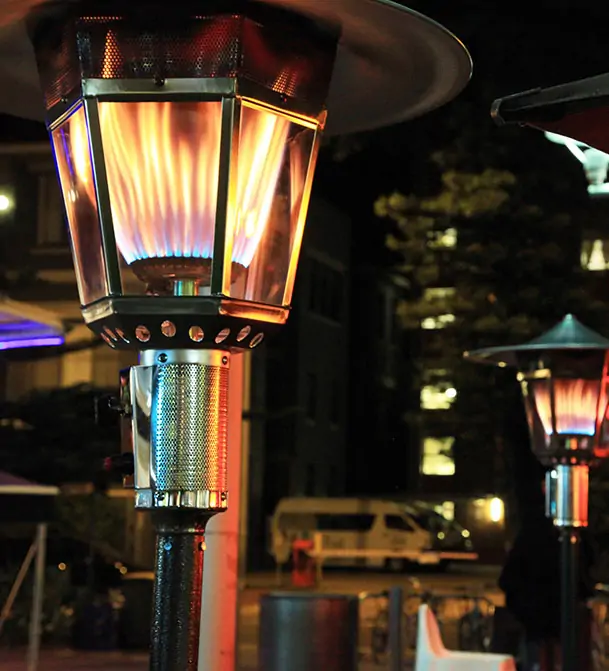
When the chill sets in, a reliable heater isn’t just a comfort; it’s a necessity. Whether you’re cosying up indoors or extending those delightful evenings with outdoor gas heaters, a well-functioning heating system makes all the difference. But what happens when your trusty heater starts acting up? Often, a quick fix is all it takes. Other times, however, those little quirks are actually flashing red lights, signalling that it’s time to consider a full-blown heater replacement rather than just another patch-up job.
It’s a common dilemma: spend money on a heating repair service again, or invest in something new? The truth is, continually patching up an old, ailing heater can end up costing you more in the long run. Let’s dive into the key signs that your heater is waving the white flag and is ready for retirement.
Your Heater is Getting on in Years
Heaters have a lifespan. While you might wonder how long do outdoor heaters last, most indoor furnaces and heat pumps typically have a service life of 15-20 years. If your indoor heater is pushing past the decade-and-a-half mark, it’s probably living on borrowed time. Even with diligent heater maintenance, age catches up. Older units become less efficient, meaning they have to work harder to produce the same amount of warmth. This extra effort translates directly into higher energy bills – a hidden cost of keeping an antique alive.
Unexplained Spikes in Your Energy Bills
Speaking of energy bills, have you noticed yours creeping up without an apparent reason? This is often one of the earliest and most telling signs that your heater is losing its mojo. An aging or struggling system has to burn more fuel or use more electricity to reach your desired temperature. This inefficiency can turn your monthly statements into a real shocker. If your bill is consistently higher than last year’s, even with similar usage patterns, it’s a strong indicator that your current unit is no longer the most efficient heater for your home.
It Just Isn’t as Warm Anymore
Remember those days when your home felt like a warm hug during winter? If your heater isn’t keeping up like it used to, leaving certain rooms chilly or failing to reach your desired temperature, that’s a big red flag. It might be struggling to distribute heat evenly, or its heating capacity has simply diminished. This isn’t just about comfort; it means your system is working overtime, driving up costs without delivering the desired result. For an outdoor setting, if your elegant fire lamp outdoor heater isn’t radiating its usual inviting warmth, it might also be showing signs of needing professional attention or even replacement.
Odd Noises or Smells
Heaters shouldn’t be particularly noisy. Sure, you’ll hear the gentle hum of air moving, but if your unit starts making strange banging, rattling, squealing, or grinding noises, it’s definitely trying to tell you something. These sounds often indicate loose parts, a failing motor, or other significant mechanical issues. Similarly, unusual smells like burning dust are common at the start of the season, but persistent or strong odours – especially a metallic or burning smell – could point to serious electrical or component problems that go beyond common problems with patio heaters and warrant immediate attention.
Frequent Breakdowns and Costly Repairs
If your heater seems to break down every other month, and the repair bills are piling up, it’s time to do some math. The cost of frequent repairs can quickly add up to, or even exceed, the price of a new gas heater for home. At some point, throwing good money after bad simply doesn’t make financial sense.
Visible Signs of Wear and Tear
Take a good look at your heater. Do you see any cracks, rust, or corrosion on the unit or its components? For a gas heater, even small cracks in the heat exchanger can be incredibly dangerous, potentially leading to carbon monoxide leaks. Any visible deterioration suggests that the system is past its prime and is a serious safety risk.
Your Carbon Monoxide Detector Keeps Going Off
This is arguably the most critical sign. If your carbon monoxide detector sounds its alarm, it’s not a drill. A faulty furnace or gas heater can release this odourless, colourless, and deadly gas. If your detector goes off, evacuate immediately and call emergency services. Afterwards, your heating system will need a thorough inspection, and in most cases, a replacement will be necessary for your safety.
Deciding to Replace
Ultimately, the decision to replace versus repair hinges on a few factors: the age of your unit, the frequency and cost of repairs, and its current efficiency. While the initial cost of a replacement might seem daunting, whether it’s an indoor system or one of the many excellent outdoor gas heaters for sale, consider the long-term savings on energy bills and repair costs, as well as the peace of mind that comes with a reliable, efficient, and safe heating system. It’s an investment in your comfort and safety.